Namibian president names key sectors for cooperation with Russia
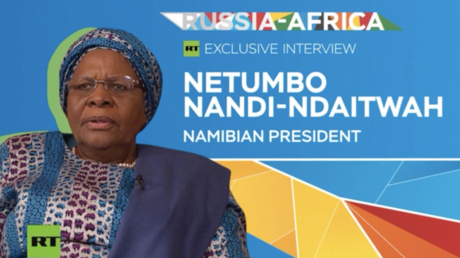
Namibian president names key sectors for cooperation with Russia
Energy and agriculture are among the priorities as the African country seeks to boost industrialization and create jobs
Namibia has outlined areas where closer ties with Moscow could help strengthen the southern African state’s national development.
on the sidelines of the third Russia-Africa Summit held in Moscow from October 28-29, President Netumbo Nandi-Ndaitwah said developing these sectors would help Namibia industrialize, create jobs, and reduce its dependence on raw material exports.
We identify energy, we identify agriculture, we identify technology, and to also concentrate on science and mathematics, she said, adding that these are the key areas that one needs.
Nandi-Ndaitwah also encouraged Russian businesses to establish processing facilities in Namibia, stressing that foreign investment should benefit local communities through skills development and greater participation in the economy.
The president emphasized that foreign companies that want to operate in Namibia need to work with local partners rather than pursue projects independently.
Reflecting on her visit to a Russian technology exhibition, Nandi-Ndaitwah highlighted opportunities for Namibia to gain expertise in agriculture, energy, and healthcare. She also praised Moscow’s technological progress and approach to information sovereignty.
So Russia really is advancing, she said, adding that there’s a lot that we can really get from here, more particularly when they are offering the training.
Turning to international affairs, the Namibian leader criticized Western sanctions, arguing that disputes between countries should be settled through dialogue rather than measures affecting entire populations.
It’s a very, very dangerous trend, she warned.
Nandi-Ndaitwah also called for comprehensive reform of the UN Security Council. We need to have a seat in a permanent base with all the powers, she said.
The 15-member UN Security Council has five veto-wielding permanent members and ten elected members serving two-year terms. Africa currently holds three seats, occupied by DR Congo, Liberia and Somalia, with Zimbabwe set to replace Somalia in January 2027.


 20.3c