How a lobsterman's privacy fight reached SCOTUS — and could ripple far beyond the water: 'Ain't over yet'
How a lobsterman's privacy fight reached SCOTUS — and could ripple far beyond the water: 'Ain't over yet'
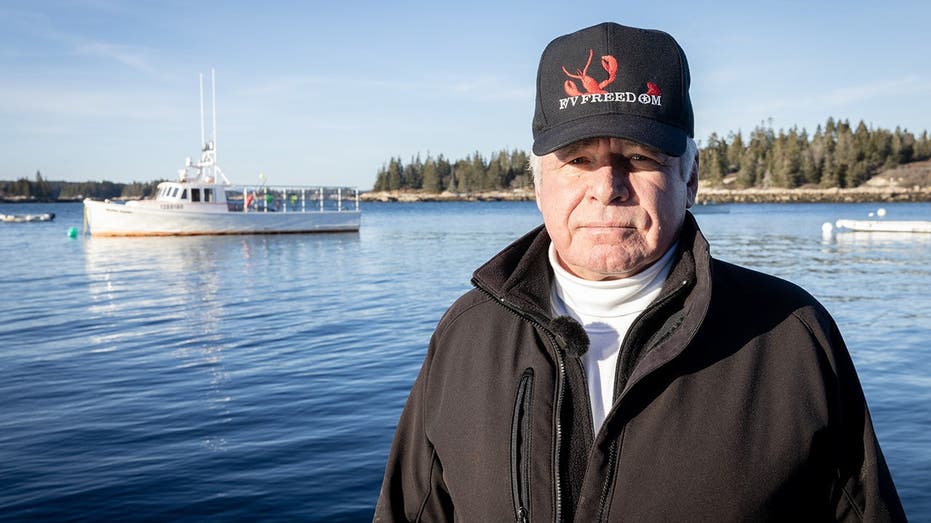
One Maine lobsterman isnt ready to give up after the Supreme Court declined to hear his challenge to a GPS vessel-tracking requirement Monday, fearing it threatens a way of life passed down for generations and could ripple across other industries.
For decades, fifth-generation lobsterman Frank Thompson has driven his boat from Vinalhaven, a small island off the Maine coast, into deeper waters to set traps and haul in lobsters. Now, he says a GPS tracking mandate has turned his boat into a government-issued 24/7 "ankle bracelet," sparking a years-long legal battle over constant surveillance and Fourth Amendment rights.
"This is totally against the Fourth Amendment, and somebody's got to hear it one way or another," Thompson told Fox News Digital. "This black box that they're putting aboard the boat is not legal, in my mind, and I'm not a criminal."
Thompson, who also owns Fox Island Lobster Company with his wife and two sons, was out fishing earlier this month when one of his sons texted him, letting him know the Supreme Court had declined his petition to hear the case and left in place a First Circuit ruling that said the GPS tracking requirement did not violate the Fourth Amendment because lobstering is a closely regulated industry.
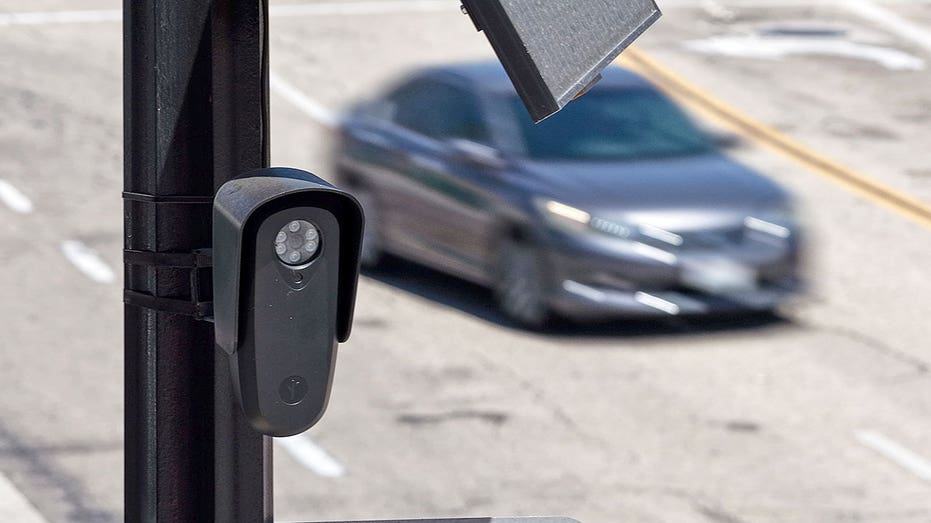
THE SURVEILLANCE CAMERA ON YOUR STREET CORNER: LAWFUL SPYING OR CONSTITUTIONALLY PROBLEMATIC?
"I just told myself, I said, Well, it ain't over yet," he said.
The mandate, requiring a small electronic box to be installed aboard federally licensed lobster boats in Maine, has flipped Thompsons life upside down, he said.
According to the Maine Department of Marine Resources (Maine DMR), the devices collect a boats location once per minute while moving and every six hours while docked. The tracking doesnt stop there, Thompson said, with the device collecting data even during personal trips, a key concern in his case.
Whether Thompson is traveling back to the mainland or having a family picnic, he said the device gives him "a creepy feeling" about who has his information and who is possibly watching.
"Freedom is gone. What else can they do to us?" he said.
Thompson said there is even more at stake. He described how his first boat ride happened two days after he was born and how his sons and grandchildren are following in his footsteps today.
FLOCK SURVEILLANCE SPREADS ACROSS THE SOUTH AS RED-STATE LAWMAKERS SEEK TO AX '1984'-STYLE TRACKING TOOLS
"Fishing's been in my blood and I always want to be on the water and it's something that I couldn't explain to you the feeling that you get out fishing and stuff," he said. "It's just a way of life."
Thompson equated the feeling of pulling up the line of a trap and catching dozens of lobsters to "opening a present at Christmas time."
"This is what I like," he said.
Matthew Gilliam, Thompsons attorney at Pacific Legal Foundation, said lobstermen must carry the trackers "as a condition of earning a living and keeping their lobster license," arguing the mandate infringes on Fourth Amendment rights "because it was warrantless."
"That forced trespass was a violation of the Fourth Amendment because it's an unreasonable search and seizure," he said.
Maine DMR implemented the rule in 2023 at the direction of the






 16.7c
16.7c