Pennsylvania law requires delivery robots to yield to pedestrians, yet protester still faced arrest
Pennsylvania law requires delivery robots to yield to pedestrians, yet protester still faced arrest
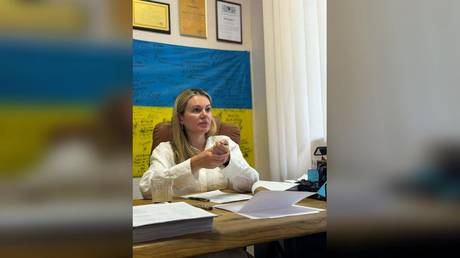
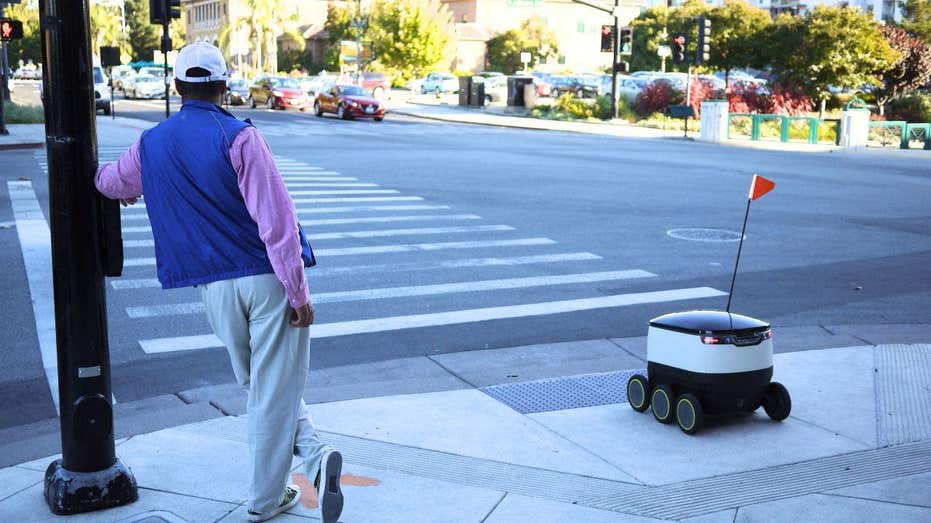
Most people see a food delivery robot rolling down the sidewalk and simply walk around it. But one Philadelphia woman decided she wasn't moving. She stood directly in front of an Uber Eats delivery robot, refusing to let it continue. Police eventually arrived, and the 78-year-old retired professor ended up in handcuffs.
Her protest has now sparked a much bigger conversation about robots taking over human jobs and how much space these machines should get on our sidewalks. And there's a surprising detail about Pennsylvania law that makes this whole situation even more interesting.
Join our upcoming CyberGuy LIVE class: 5 Ways to Travel Smarter and Save Money
In this free live online class, Kurt "CyberGuy" Knutsson will share five practical ways to protect your trip and your wallet this holiday travel season. Youll learn how to secure your phone and personal information, find better travel deals, avoid common scams, save money on bookings and use technology to make your travels easier and less stressful. No technical experience is needed.
Join us Saturday, Oct. 31, at 11 AM ET / 8 AM PT. Register for free now at CyberGuyLive.com.
WORKERS ERUPT OVER DC PLAN TO BRING ROBOTAXIS TO CITY STREETS: THIS IS BULLS---
On Oct. 14, Carolyn Marvin, a retired University of Pennsylvania professor, was leaving a flu shot appointment in Center City Philadelphia when she spotted an Uber Eats delivery robot. Instead of stepping aside, she positioned herself in front of the machine near Reading Terminal Market on Filbert Street. Police reportedly responded after witnesses reported a disturbance. Officers said Marvin repeatedly refused instructions to move out of the robot's path. They eventually arrested her and issued her a disorderly conduct citation.
The encounter was captured on video and quickly attracted attention online. However, Marvin wasn't surprised by the attention. She had been deliberately blocking delivery robots for months, turning what might look like a strange sidewalk encounter into her own form of public protest.
In an interview with PhillyVoice, Marvin explained that she believes corporations are using autonomous machines to displace human delivery workers. She argued that her actions fall under her First Amendment right to protest. Marvin was taken to police headquarters and later released. She said she plans to fight the citation in court and continue blocking delivery robots when she has the opportunity. She also encouraged others who oppose the machines to join her protests.
Marvin's frustration goes beyond having robots share the sidewalk. She sees them as a direct threat to people who earn their living delivering food. Every order completed by a robot represents work that potentially could have gone to a human courier. That concern comes as more delivery companies experiment with automation to reduce operating costs.
Unlike a human courier, a robot doesn't collect tips or earn money for each delivery. Companies hope automation will eventually reduce operating costs, although the machines still require maintenance and monitoring.
However, whether Philadelphia's robot program has actually eliminated delivery jobs remains unclear. Uber has previously said its robots are intended to complement human delivery workers rather than replace them. Still, it's easy to understand why people who depend on delivery income might question how that arrangement will work as fleets expand.
Marvin also sees her protests as an opportunity to engage other pedestrians. She says people regularly stop to ask why she's blocking the machines. Those conversations are part of what motivates her to continue, even after her arrest.
You might assume that Marvin's arrest means delivery robots have the right o